Director · Actor · Writer
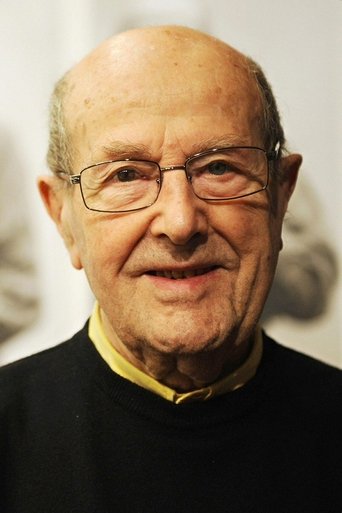
Manoel de Oliveira
33 credited titles on WatchWise
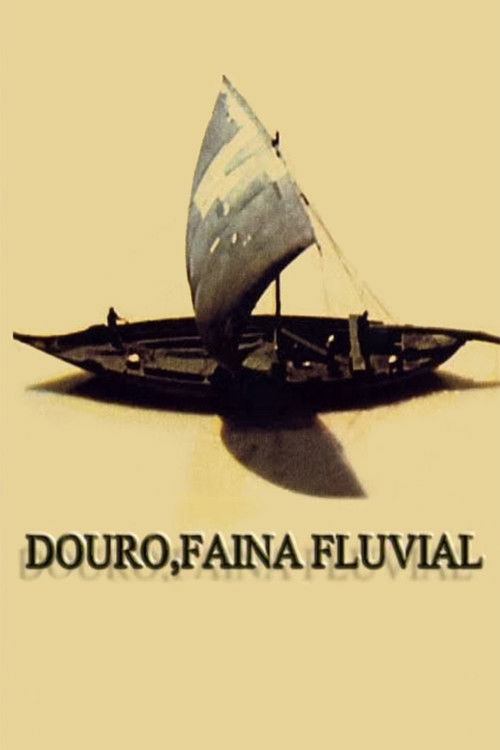
Manoel de Oliveira was born in Porto, Portugal on December 11, 1908, to Francisco José de Oliveira and Cândida Ferreira Pinto. His family were wealthy industrialists. Oliveira attended school in Galicia, Spain and his goal as a teenager was to become an actor. He enrolled in Italian film-maker Rino Lupo's acting school at age 20, but later changed his mind when he saw Walther Ruttmann's documentary Berlin: Symphony of a City. This prompted him to direct his first film, also a documentary, titledDouro, Faina Fluvial (1931). He also acted in the second Portuguese sound film, A Canção de Lisboa (1933). His first feature film came much later, in 1942. Aniki-Bóbó, a portrait of Oporto's street children, was a commercial failure when it opened, and its merit only came to be recognised over time. This drawback forced Oliveira to abandon other film projects he was involved in, and to dedicate himself to running his family vineyard. He re-emerged onto the film scene in 1956 with The Artist and the City, a work that marked a turning point in Oliveira's conception of the cinema. In 1963, O Acto de Primavera (The Rite of Spring), a documentary depicting an annual passion play, marked a turning
Manoel de Oliveira in one minute

Commercial performance
All figures are associated, not attributed — box-office numbers are sourced from TMDB and Wikipedia (reused under CC BY-SA), shown in US$, and weighted by billing prominence. Coverage varies by title; figures are estimates, not audited trade data.
What drives the index
Needs at least 3 titles with both a reported budget and worldwide gross; 2 on record so far.
Directed (13)

Acted in (5)
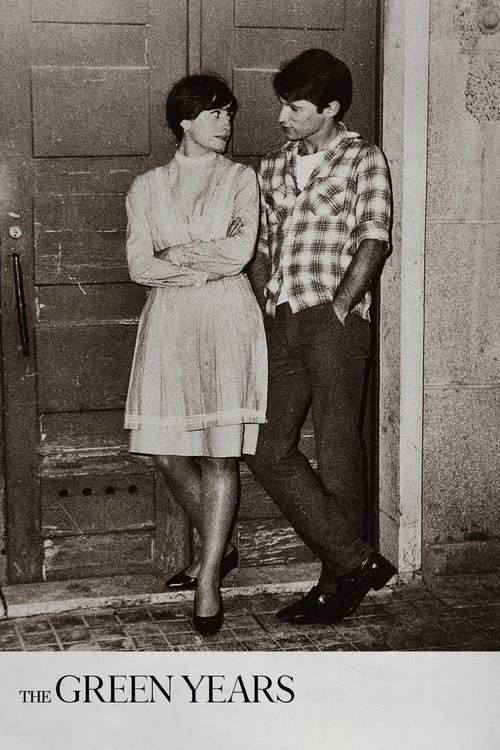

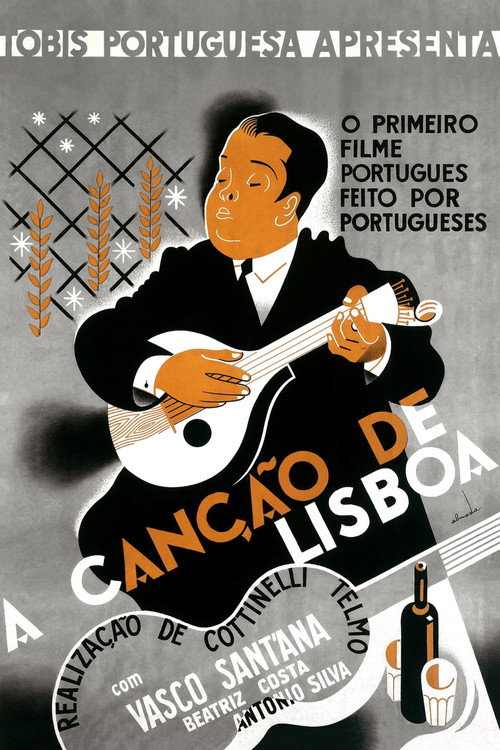
Titles are ones WatchWise has catalogued so far — not necessarily a complete filmography.